 By:
Marilyn Schenk
By:
Marilyn Schenk 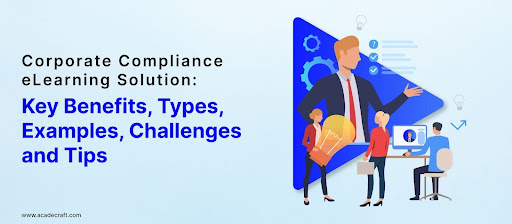
The obvious answer is a big no. The fact that many organizations are still facing significant losses due to compliance is quite baffling. The changing standards are now being tackled with the use of modern generative AI to make a difference in corporate learning solutions.
Tools are also being used to automate even the most gruesome compliance processes to benefit both the employee and the employer. It is ensuring that productivity stays intact while people learn about the change of regulations.
But is this all to compliance there is?
Below, we have discussed the benefits, types, examples, challenges, and tips you can adopt for better compliance training in your company. Read our thorough guide!

Compliance training helps employees understand the laws, regulations, policies, and ethical standards that govern their organization. It is a crucial part of industrial training, which ensures everyone is informed and aligned with legal and organizational requirements. It also promotes lawful, ethical, and proper social behavior to mitigate the risks of serious violations.
Companies can benefit greatly from this approach. It can help maintain, improve, and strengthen the company's reputation in the market. The rules and regulations allow industries, like healthcare and IT, to standardize care across all types of clients.
Apart from the traditional uses, corporate e learning solutions can also help foster a sense of integrity and accountability among employees. Research shows that detailed compliance training programs have helped companies get into fewer legal disputes, increase employee confidence, and improve customer trust.
Businesses may need more than one form of compliance training. This can discourage many from implementing them in the first place because of the cost it can bear. But you can find or create cost-effective training programs. Also, these are supposed to be mandatory training programs that require a lot of dedicated hours and discipline to incorporate.
Here are some benefits that suggest the importance of using corporate elearning company compliance courses:
Also, Read - How to Create Behavioral Training Modules Like Corporate Learning Companies?
Compliance requires an in-depth understanding and obeying rules that you might not be familiar with. But in the corporate setting, they may have a bigger impact than you might think. Here are some types that are known across various industries:
Safety is quite a priority for many organizations to avoid unnecessary costs. Especially, there are some aspects, like handling equipment, emergency protocols, and reducing physical hazards, that are very important for future risk management as well.
While values and moral codes may not seem important, they are quite essential to maintaining the decorum and atmosphere of your organization. The brief about all types of ethical behavior and professional conduct is given through training for better disciplined outcomes.
All industries have started implementing such training in order to safeguard their data. As data has become important in crafting custom experiences, guidelines on safeguarding sensitive data, recognizing phishing attempts, and responding to cybersecurity threats have become a priority.
While it may seem similar to cybersecurity training, it’s not. These include stricter regulations like GDPR (General Data Protection Regulation) or HIPAA (Health Insurance Portability and Accountability Act), ensuring employees handle customer and corporate data responsibly.
It can be seen as a trending training for companies to ensure all of their business practices are sustainable for the environment. People usually take steps to reduce their carbon footprint. Major industries like energy, manufacturing, and construction have been using this type of training for years.
This training is obviously targeted towards a specific department, the human resources sector. Every industry has an HR department, which makes this training not only mandatory but a requirement. Things like labor laws, conflict resolution, and maintaining fair employment practices are addressed.
These are different from generalized training. They are focused on providing relevant information according to the industry's demands. Examples like pharmaceutical compliance for healthcare or financial regulations for banking.

You may not know about the level of effectiveness of your corporate compliance modules, which isn’t advised. The reason is quite simple: even if you have invested in an affordable course, it still has to work to meet regulatory standards.
Here are some ways you can quantify the validity of such sessions:
Over the years, many common examples have emerged for compliant training in the corporate world. These have been great at analyzing the structure, effectiveness, and cost ratio of training across a scalable organization.
According to OSHA (Occupational Safety and Health Administration), compliance training is a mandated practice that expands on the idea that every employee works in a safe and healthy environment. Some key aspects include hazard communication, bloodborne pathogens, personal protective equipment (PPE), and emergency preparedness.
This compliance training mode is set for individuals who might not know how to regulate their emotions or handle conflicts professionally. Such modules aim to teach individuals about emotional regulation, stress management, and effective communication to have better workplace connections. Other processes can also be sorted with this small disciplinary alignment.
The integrity of every business tries to avoid allegations of bribery and corruption. It gives people the power to recognize, avoid, and report bribery and corruption practices in any organization or industry vertical. It covers legal frameworks, like the Foreign Corrupt Practices Act (FCPA) and other ethical practices that protect a company’s reputation.
Section 508 compliance training has become an obligatory practice among many organizations to create and maintain digital content that is accessible to all. It includes people with disabilities and cognitive difficulties to be able to navigate easily. Some features are web accessibility guidelines, tools, and techniques that comply with federal accessibility standards.
Every employee is fed with such information to ensure that there are better standards for safety and harmony. People can use the information to identify warning signs of potential threats, de-escalate conflicts, and implement safety protocols to save others from detrimental consequences. This also helps them set preventive measures and emergency response plans.
Certain training also pertains to employees’ mental and sexual rights. One such is the training for harassment and other misconduct. People can be easily trained to follow best practices regarding regulations and rules to maintain respectful relationships. This also helps with a good workplace culture and ensures compliance with legal requirements.
This training is to ensure anti-discrimination and diversity practices that can help you maintain a better decorum and line of perspectives in the office. Such training is quite common in MNCs as the workforce can be quite large with different levels of requirements. You can also get awareness about workplace biases, emphasize equal opportunities, and educate employees on inclusive practices.
Every training comes with conditions, and corporate e learning solutions are no different. There are certain challenges you can face even with the best corporate training programs for compliance. Here are some we have identified from the past year or two:
Also, Read - How Microlearning Uplifts Learning Outcomes in Corporate?
There are many considerations, in our opinion, which put emphasis on the fact whether a corporate compliance elearning solution is needed. But some benefits are always associated with certain learning methods, which make them worth it:
Compliance can help you avoid hefty fines, legal penalties, and lawsuits that are linked to objectionable practices. There are many legal and financial risks, especially associated with data protection, which can only be avoided through an accurate compliance module.
The regulated rules are best to ensure there are no workplace dangers involved. Certain regulations focus on helping reduce workplace injuries and accidents, while others aim to solve more complex issues. These safety protocols can help with consistent compliance practices.
Every company might not have a consistent process they may follow to bring the best results forward. The compliance modules people use from providers like Acadecraft ensure best practices and protocols that reduce redundancies, errors, or any misstep associated with a workflow.
The obvious emphasis on multiple international operations to improve credibility can help your presence globally. The legitimacy scale is definitely upgraded, which helps you explore more opportunities in the international market. You can also adhere to local regulations to solidify your global claims further.
The emphasis on internal culture enhancement and following transparency and accountability is quite important. More and more corporate e learning solutions are versing people on ethical behavior and decision-making, which is very much needed for a better understanding of policies and workplace culture.
Many organizations have adopted strong compliance programs that have helped people find them more trustworthy and reliable. This, in turn, helps your partners, clients, stakeholders, and others have confidence in your practices more when you demonstrate adherence to ethical standards and regulations.
The lower the rate of accidents, the better the rates of low claims. Every organization is aiming to lower its liability insurance premiums. This can help insurers perceive the organization as lower-risk. You can easily cut down on such costs to invest the rest into more priority areas that need improvement.

There are many legitimized tips that you can pay attention to. These can help you not only make your module compliant but also assure that among your employees it has a high completion rate. Here are our thoughtful tips for the same:
Also read: Why Are Companies Outsourcing Corporate Learning Services in 2024?
Corporate compliance elearning solution is made to help people find gaps in their streamlined processes. To ensure as much accuracy as possible, most courses use in-house resources. But the problem is, nobody can ensure how much is regulatory specific.
This is one of the reasons why people choose compliance learning and training courses from Acadecraft. They have 12+ years of experience in creating compliant modules that meet necessary legal and industry standard guidelines. They are also affordable for small to medium-sized organizations.
We also hope that we have touched on all your doubts through our detailed guide. But if you want to know more, you can contact Acadecraft today!

Share
Acadecraft has been an invaluable partner in our journey towards excellence in certification. Their commitment to delivering exceptional service, coupled with their unwavering dedication to timeliness and quality, has truly set them apart.
From the outset, their team has demonstrated a keen understanding of our needs, consistently delivering reports with meticulous attention to detail. Their responsiveness is commendable; whenever we've reached out with queries or requests, they've always been prompt and accommodating, ensuring a smooth and seamless experience.
One of the standout aspects of Acadecraft's service is their ability to deliver reports in a timely manner without compromising on quality. This has been instrumental in our decision-making processes, allowing us to make informed choices based on accurate and insightful data.
Acadecraft has consistently exceeded our expectations with their exemplary service, timely responsiveness, and unwavering commitment to quality.

Acadecraft's Voice-Over service was amazing! The team provided accurate and culturally relevant recordings for what we expected. They showed true professionalism and expertise. We highly recommend Acadecraft for their excellent Voiceover services.

Always impressed with Acadecraft's expertise! Their translation services play a vital role for our company to drive international growth within our team and clients.

AcadeCraft's assessment content creation team was able to understand our unique requirements and created customized assessments that fit our needs. The team was prompt and professional, and the quality of their work was good.

Acadecraft have recorded several audiobooks for us. They have a wide range of talented artists with different accents who really bring our stories to life. Their work is of high quality, with good attention to detail.
Acadecraft are reliable, efficient and friendly. Their services are highly recommended by us.

As a producer, I've had the pleasure of using Acadecraft for sourcing VO and liaising with artists for several film projects. They offer a wide range of VO profiles and the artists I have collaborated with all were talented and professional. The team at Acadecraft have supported me with great professionalism, responsiveness and creativity. I highly recommend their services.

Acadecraft has been helpful with connecting our editorial team with subject matter experts (SMEs) who help us QA assessments and create solutions for computational assessments. They have been able to find SMEs to meet our needs and our deadlines. We are happy to continue to partner with Acadecraft.

Acadecraft team is always very supportive, and we and Acadecraft corroborate to create educational contents for K12 Students in India.
We appreciate Acadecraft teams' professionality, punctuality, creation skills in each subject.

I am thrilled to share my testimonial for Acadecraft which creates interactive and engaging content. Working with this team has been an absolute pleasure from start to finish. Not only did they create outstanding content for our project, but they also went above and beyond to ensure that it was interactive, engaging, and effective.
Throughout the entire process, the team was highly cooperative and communicative, always available to resolve any issues or concerns that arose. They truly made us feel like partners in the project, and their dedication to delivering high-quality content was evident in every interaction.
Thanks to their exceptional work, our project was a huge success, and we couldn't be happier with the results. I highly recommend them to anyone looking for a team that is passionate, professional, and committed to excellence. Wishing them all the best in their future endeavors.

The team at Acadecraft has truly been an end-to-end service provider for us, providing content development services and their commitment, attention to detail and expertise have made the project a success. Their team's dedication, attention to detail, and expertise have been unmatched, making our partnership an absolute pleasure. We highly recommend Acadecraft to anyone looking for a reliable and efficient education solutions provider.

Our experience working with Acadecraft has been great. Their highly knowledgeable team of experts was always available to answer our questions, provide guidance, and ensure we were delighted with the services. Their thorough, accurate assessments provided valuable insights that helped us make informed decisions about our exam performances.
We look forward to continuing our partnership with Acadecraft and leveraging their expertise to help us achieve our business goals.

I recently used Acadecraft's Video Editing services and I am extremely impressed with the quality of their work. The team at Acadecraft was highly professional, attentive and skilled in delivering my company’s project on time and within budget.
Their attention to detail was impeccable, and they understood my needs and requirements very well. They were able to create a video that not only met my expectations, but far exceeded them.
Throughout the process, they kept me informed and updated on the progress of the project, and were always available to answer any questions I had. Their customer service was excellent, and they were always friendly and easy to work with.
I highly recommend Acadecraft's Video Editing services to anyone who is looking for a high-quality and professional video editing experience. They are truly experts in their field and I look forward to working with them again in the future.

The video creation team of Acadecraft is insightful. They understood my requirements carefully and delivered a winning video that perfectly aligned with my business needs.
With a good script, content, sound, and editing – Acadecraft helped me with the best video content to strategize my marketing and promotional campaigns. Their tremendous experience in video editing and professionalism in serving the customer before and after delivering services are commendable.
The passionate team knows great about getting into the details and providing impeccable video services. I am extremely impressed by the work Acadecraft has delivered to me.
I appreciate my collaboration with Acadecraft and look forward to availing of services again.

I required an explainer video for my business, and I am mesmerized by the work Acadecraft’s video editing team delivered to me. The perfectly aligned video elements and superb editing demonstrate the experience, knowledge, and professionalism Acadecraft has.
Acadecraft’s 3d video solutions are amazing. They used a perfect blend of art, color, shape, sound, and editing to create the video, making the video engaging and immersive.
I have always been excited to explore the opportunities of videos in business, and it was my pleasure to make Acadecraft my companion for the best video solutions. I highly recommend this organization and would love to collaborate with them again.
With a holistic approach to creating powerful blended videos, Acadecraft delivered me a well-developed video solution. I appreciate the relentless efforts of the video editing team, whose in-depth knowledge and analytical skills effectively catered to my needs.
The services Acadecraft has given me exceeded my expectations; the team was effective and listened to my requirements carefully, and went the extra mile in researching and creatively developing awesome pieces of video content.
Not only from a quality perspective but on the management and delivery front, Acadecraft’s services are prolific. They stuck to the turnaround time and were constantly in touch with me throughout the creation process.
I recommend Acadecraft for video solutions as they have great hands-on use of animation, graphics, and other creative assets.

I am thoroughly astounded by Acadecraft's proficient skills! Their exceptional voiceover and translation services were instrumental in amplifying our marketing endeavors and video promotions. They enabled us to communicate effectively with varied audiences and significantly propelled growth across numerous media platforms.

Working along with Acadecraft has been an exceptional journey. Their meticulous attention to detail and commitment to maintaining the essence of the content in the transition from English to Arabic was truly impressive. The collaborative spirit and timely communication made the entire process smooth and enjoyable. Without a doubt, I wholeheartedly endorse their services for a remarkable translation experience.

I am delighted to share my feedback with you on working on the editing and print layout of 9 documents under the KECF project. Overall, I am very happy with the speed with which these documents were edited and the fine attention to details. I also deeply appreciate the quick corrections that were made on our request. Particularly, working with Sanjana was a real pleasure, as I found her very attentive to our requests and her internal quality checks before she sent the documents to us greatly reduced my workload. So many thanks Sanjana! I look forward to working with your agency if such a need arises in future too. Many thanks to Sanjana and your entire team.
I am pleased to share that Acadecraft has demonstrated an excellent understanding of our Operations processes, ensuring a smooth and efficient knowledge transfer. The team, including the project coordinators, is highly responsive and addresses any concerns swiftly leading to effective resolutions and seamless delivery.

With our continued global expansion and projects- it was necessary that we join in partnership with Acadecraft. As they have assisted us in increasing production value in all sectors of our company; providing great infrastructure with top professionals. Acadecraft represents efficiency to execution to many of our projects and initiatives with a standard of excellence unmatched.