 By:
Marilyn Schenk
By:
Marilyn Schenk 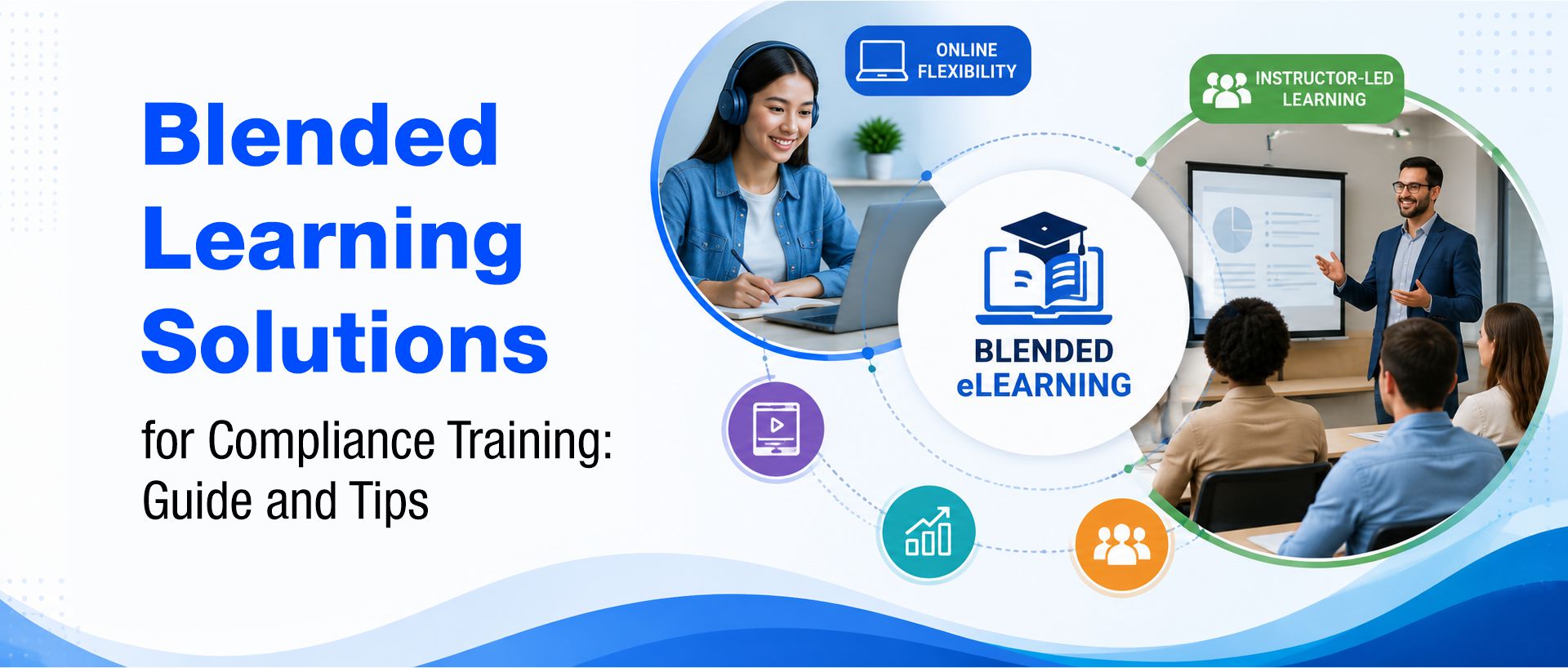
For every organisation, compliance training is a crucial aspect because the company is functioning due to its people, and when those same individuals are not able to treat their colleagues decently or are simply unaware of their rights, the company cannot operate smoothly, and there is a chance the organisation will face consequences in the near future.
According to researchers of Mordor Intelligence, corporate compliance training was $6.15 billion in 2025 and is expected to grow to nearly $9.02 billion by 2030.
Such a huge number for the standalone market, but still, the majority of the customers complain about the optimal program selection and implementation hardships of the niche. But from varied research and opinions, there have been many remarks about the success of blended learning solutions for compliance training. This method of training allows learners to experience the best of both worlds with its duality.
The understanding of the implementation processes of Blended Learning Solutions is crucial for the smooth operation and adoption of the program by the workforce for training purposes.

This combines online regular classes with offline ones. In this format of training workers, learners get the basics of their training in the online classes, which are completely self-paced, and later, to deepen the understanding of the same concept, in-person sessions are held for learners to engage with peers in the context of previous self-paced classes.
They can either make two teams and hold debates to learn about different perspectives or do engaging activities to increase the retention of the topic.
For decades, the industries have relied on traditional programs where the primary and only focus was to get a higher completion rate because when a training only includes slides and texts without carrying any factors like self-paced guidance, social connection, and most importantly, no assessments, the employees will only click through the course without actually retaining the information.
Compliance training includes training employees on regulatory, legal, and workplace policy aspects. This type of learning needs blended training solutions because it gives multiple delivery of content to make the learning more engaging and effective for the workforce.
First, find out about the regulations that will be applied to your training program based on your nation, such as HIPAA for the US and DPDP for India. Then, make a calculation based on records on how different job roles are affected by the standard compliance training format; this will give the L&D team a clear vision of why the one-size-fits-all approach decreases the value of training. All these regulations must show up on the blended learning platform.
2. Perform an analysis test
Then try to identify the knowledge gaps in the organisation, consider recent compliance issues, learn about the boundaries of previous compliance training backlashes, and figure out the role that has the biggest compliance risk. This much information is enough to choose the next training program. This analysis test is important for gaining knowledge on the current state of training in the workplace and choosing the next online blended learning program.
3. Define clear learning objectives
Before developing any form of Blended Learning Solutions for training, one must set clear expectations for the program. The goals should be defined for measurable learning outcomes, reportable data, ROI, and business outcomes. Setting clear objectives ensures reliable measurements after completion of the program.
4. Decide blended layout
In this step, the L&D designs the blended learning solutions about which components will be scheduled in the online and offline parts. Mostly, the fundamental knowledge, policy details, assessments, refresher sessions, and video explanations are covered in online classes.
Meanwhile, the grey topics that need discussions, case studies in groups, QSA sessions, new regulations informing classes, and manager-required parts are done in live classes in the presence of the instructor.
5. Selection of blended learning platforms and tools
Once the learning content is ready, the L&D and teams should pick out the best tools and platforms that can complement their workforce. Authoring tools like Articulate Storyline or Rise work for interactive content, Adobe Captivate for software simulation, and iSpring for budget-friendly modules.
After the content program is well decided, prepare the LMS with the incorporation of SCORM and xAPI for tracking on the platform, the system must report regularly, check for mobile accessibility, and be able to support online and offline aspects.
6. Role-based training and scenario-based learning
Some training programs fail because every learner receives the same type of training, while it should be in order, such as fundamentals for frontline staff, managers handling violence and team compliance, IT people ensuring data security, and similarly, the training should vary across teams.
The same thing with practice, each team should receive the scenario-based practice sessions based on their work, like a learner of leadership skills finding out his/her colleagues are stealing data from the company, and how they will handle the situation, and what their next action will be to maintain the integrity of the corporation.
7. Pilot testing
In this step, the L&D team is supposed to pick out a group of employees for testing the blended learning solutions for compliance training. First, let the group use the program and then collect their feedback on content clarity, relevance of the program to different roles, and technical issues they face, and analyse the assessment results for learners. At last, the developer will fix all the issues identified in this step before starting the deployment process.
8. Launch and communication
After launching the Blended Learning Solutions across the organisations, managers and program developers need to communicate with the learners about the significance and purpose of this training. Through different measures like meetings and notifications, let them know about why this training matters and what the deadlines are, and give managers accountability for teams.
9. Report and regular update
In this final step, use the LMS to keep track of employee activity on the platform, track the completion of different teams, assess to figure out knowledge gaps, and flag employees who are not engaging with the solution for blended learning.
Once the training falls into routine, allow learners to take control of the program, but the L&D should give refresher sessions quarterly, update modules whenever needed, and assess LMS data to know the effectiveness of the program for future training.
The traditional compliance training methods are not only outdated, but they also drag the users behind in the market. The new age requires a program that can benefit the organisation and the employees through its easy accessibility and high-efficiency market values and qualities.
A blended learning platform is sufficient to benefit both the organisation that adopted it and the workers who rely on it for effective results. This approach of training can provide the following.
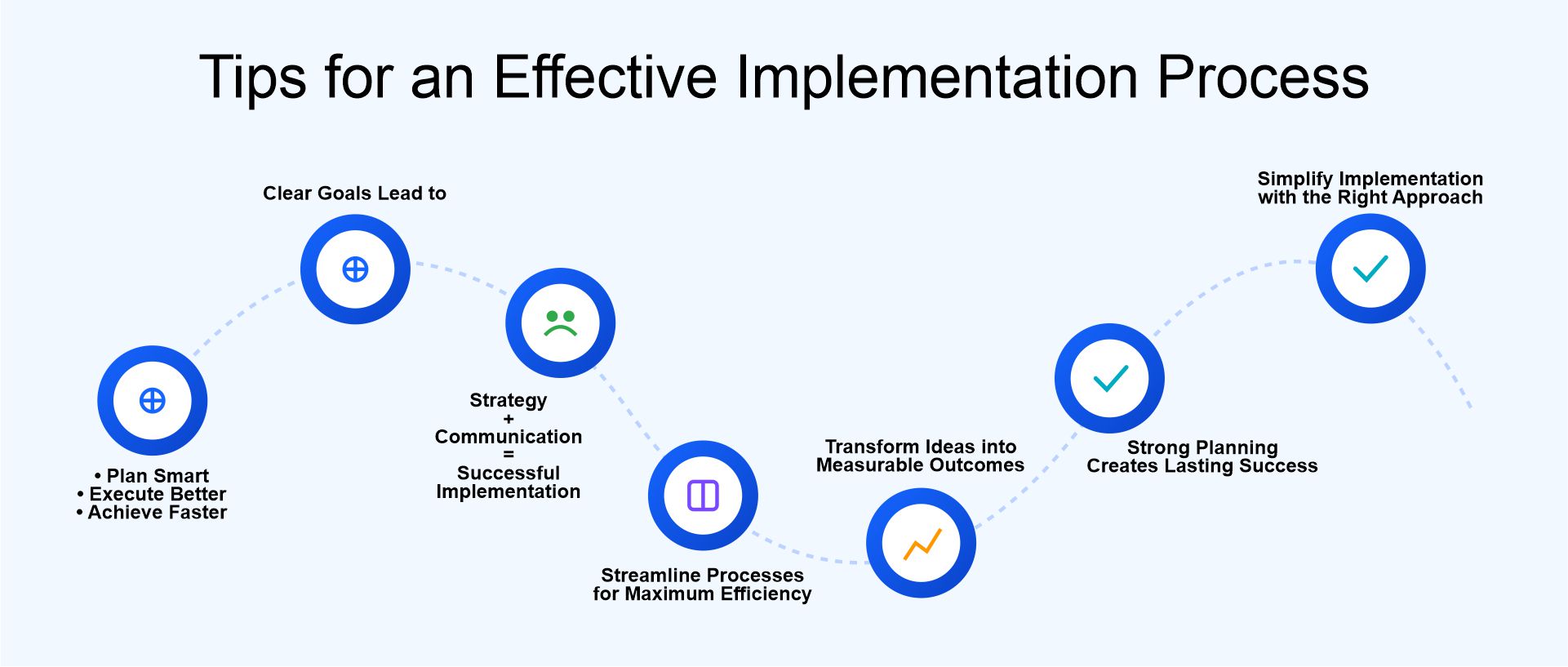
The blended learning solutions course should have shorter and punchier modules around 5 to 10 minutes long. Because long lectures will bore learners and drive them away, instead of learning, a breakdown of content ensures better completion rates. This can be the reason behind the higher completion rate of the course because learners are willing to engage with the shorter format.
If the training includes generic and scenario-based examples for practice, the employees will not be able to relate to the training. That is why industry-based case studies are important to include so employees understand and absorb the knowledge. The team should constantly research and learn about industry changes and new examples, and utilise those at the time of updating.
Some enterprises only train their workers when they join or once every year or quarter, but this leads to complications in training format adoption. Instead, they can offer continuous training without burdening the learners; they can offer short compliance refreshers with small gap windows. Online blended learning programs allow organizations to offer continuous training in quick an deffecnt methods.
When the online lectures of blended training solutions are mostly text-heavy instead of nice and appealing visuals for better understanding purposes. The workers might not engage properly with that type of training. So the L&D must use infographic elements for learners. It has also been proven by industry experts and many researchers from different fields that video lectures or visually heavy content are easier to remember than text content.
Many organisations depend upon quiz-based assessment results for checking the knowledge of employees after course completion, but that is not enough. The L&D team can carry out scenario-based assessments to test how workers use the gained information.
If the company does not run any form of test on learners while the training is going on. They will not be able to decipher whether this course is helpful for employees or not. The results should show up on the blended learning platform for data analysis.
When the higher authorities start to get involved with the training of the workforce, it sends a signal through the workplace that this blended elearning solutions program is important and plays a significant role in the company.
The legal regulations are necessary for organisations functioning in various fields for proof of authentication. Without compliance with these regulations, the organisation can face ethical issues and lawsuits resulting in loss of company assets and revenue, plus such cases can ruin the reputation of the organisation in the industry.
In today's time, training of any form, not just compliance, requires a program that provides them flexibility and guidance. An online Blended Learning Solution is able to provide sufficient material in both directions. A learner can optimise most of the potential, of course, in the online lectures and use the offline session as a form of relief from digitalisation with peers.
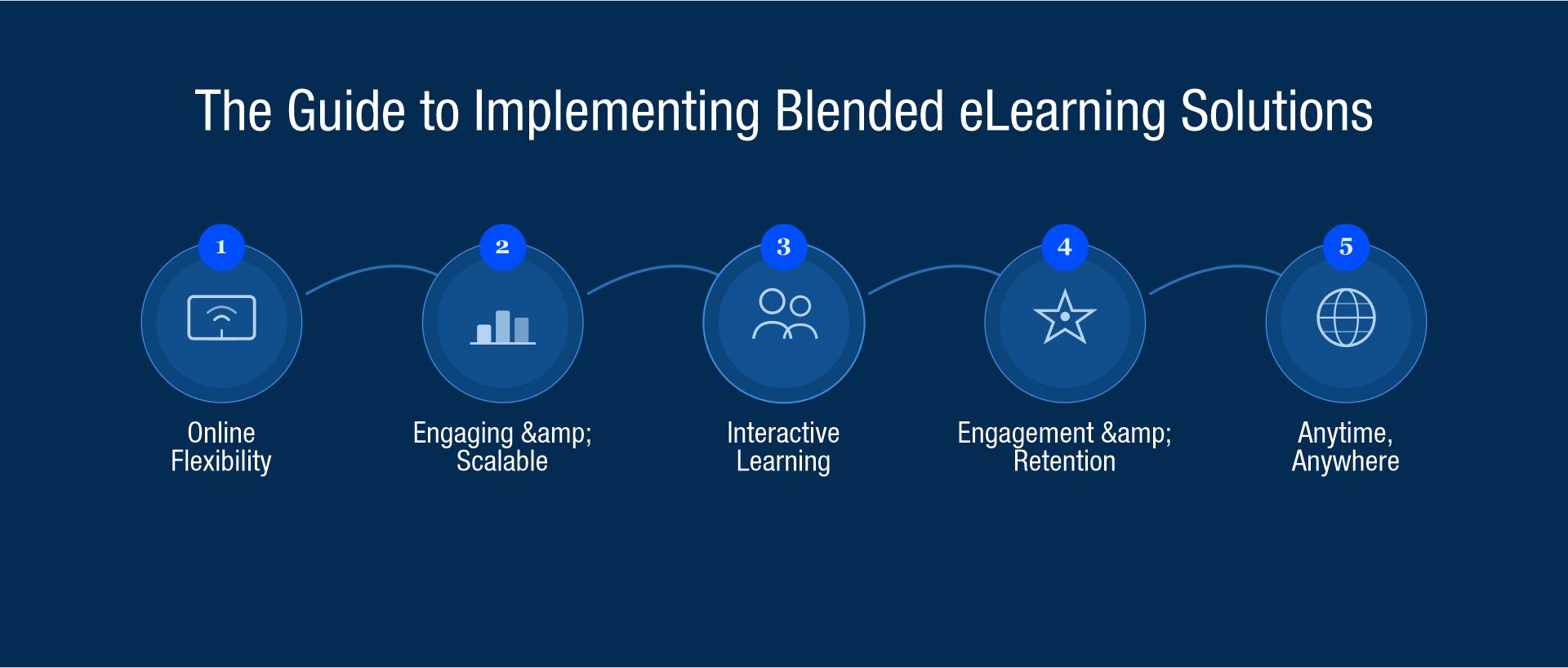
To implement compliance training, the organisations do not rely on traditional and ineffective methods anymore. The blended learning platform is now chosen due to its features that can acquire higher engagement, better knowledge retention, multiple delivery of content through a solution for blended learning, and the ability to teach the resolution of complicated issues in the presence of experts.
At last, there are very few formats that support cost efficiency and constant updates. Blended Learning Solutions can provide for both organisations and their employees: it reduces the cost by being highly scalable, and the upgrades are feasible because the learning content is served in distinct modules, so changes can be made distinctly, and instructors are well educated on industry and market changes. You want to know more, you can contact Acadecraft today!

Share
Acadecraft has been an invaluable partner in our journey towards excellence in certification. Their commitment to delivering exceptional service, coupled with their unwavering dedication to timeliness and quality, has truly set them apart.
From the outset, their team has demonstrated a keen understanding of our needs, consistently delivering reports with meticulous attention to detail. Their responsiveness is commendable; whenever we've reached out with queries or requests, they've always been prompt and accommodating, ensuring a smooth and seamless experience.
One of the standout aspects of Acadecraft's service is their ability to deliver reports in a timely manner without compromising on quality. This has been instrumental in our decision-making processes, allowing us to make informed choices based on accurate and insightful data.
Acadecraft has consistently exceeded our expectations with their exemplary service, timely responsiveness, and unwavering commitment to quality.

Acadecraft's Voice-Over service was amazing! The team provided accurate and culturally relevant recordings for what we expected. They showed true professionalism and expertise. We highly recommend Acadecraft for their excellent Voiceover services.

Always impressed with Acadecraft's expertise! Their translation services play a vital role for our company to drive international growth within our team and clients.

AcadeCraft's assessment content creation team was able to understand our unique requirements and created customized assessments that fit our needs. The team was prompt and professional, and the quality of their work was good.

Acadecraft have recorded several audiobooks for us. They have a wide range of talented artists with different accents who really bring our stories to life. Their work is of high quality, with good attention to detail.
Acadecraft are reliable, efficient and friendly. Their services are highly recommended by us.

As a producer, I've had the pleasure of using Acadecraft for sourcing VO and liaising with artists for several film projects. They offer a wide range of VO profiles and the artists I have collaborated with all were talented and professional. The team at Acadecraft have supported me with great professionalism, responsiveness and creativity. I highly recommend their services.

Acadecraft has been helpful with connecting our editorial team with subject matter experts (SMEs) who help us QA assessments and create solutions for computational assessments. They have been able to find SMEs to meet our needs and our deadlines. We are happy to continue to partner with Acadecraft.

Acadecraft team is always very supportive, and we and Acadecraft corroborate to create educational contents for K12 Students in India.
We appreciate Acadecraft teams' professionality, punctuality, creation skills in each subject.

I am thrilled to share my testimonial for Acadecraft which creates interactive and engaging content. Working with this team has been an absolute pleasure from start to finish. Not only did they create outstanding content for our project, but they also went above and beyond to ensure that it was interactive, engaging, and effective.
Throughout the entire process, the team was highly cooperative and communicative, always available to resolve any issues or concerns that arose. They truly made us feel like partners in the project, and their dedication to delivering high-quality content was evident in every interaction.
Thanks to their exceptional work, our project was a huge success, and we couldn't be happier with the results. I highly recommend them to anyone looking for a team that is passionate, professional, and committed to excellence. Wishing them all the best in their future endeavors.

The team at Acadecraft has truly been an end-to-end service provider for us, providing content development services and their commitment, attention to detail and expertise have made the project a success. Their team's dedication, attention to detail, and expertise have been unmatched, making our partnership an absolute pleasure. We highly recommend Acadecraft to anyone looking for a reliable and efficient education solutions provider.

Our experience working with Acadecraft has been great. Their highly knowledgeable team of experts was always available to answer our questions, provide guidance, and ensure we were delighted with the services. Their thorough, accurate assessments provided valuable insights that helped us make informed decisions about our exam performances.
We look forward to continuing our partnership with Acadecraft and leveraging their expertise to help us achieve our business goals.

I recently used Acadecraft's Video Editing services and I am extremely impressed with the quality of their work. The team at Acadecraft was highly professional, attentive and skilled in delivering my company’s project on time and within budget.
Their attention to detail was impeccable, and they understood my needs and requirements very well. They were able to create a video that not only met my expectations, but far exceeded them.
Throughout the process, they kept me informed and updated on the progress of the project, and were always available to answer any questions I had. Their customer service was excellent, and they were always friendly and easy to work with.
I highly recommend Acadecraft's Video Editing services to anyone who is looking for a high-quality and professional video editing experience. They are truly experts in their field and I look forward to working with them again in the future.

The video creation team of Acadecraft is insightful. They understood my requirements carefully and delivered a winning video that perfectly aligned with my business needs.
With a good script, content, sound, and editing – Acadecraft helped me with the best video content to strategize my marketing and promotional campaigns. Their tremendous experience in video editing and professionalism in serving the customer before and after delivering services are commendable.
The passionate team knows great about getting into the details and providing impeccable video services. I am extremely impressed by the work Acadecraft has delivered to me.
I appreciate my collaboration with Acadecraft and look forward to availing of services again.

I required an explainer video for my business, and I am mesmerized by the work Acadecraft’s video editing team delivered to me. The perfectly aligned video elements and superb editing demonstrate the experience, knowledge, and professionalism Acadecraft has.
Acadecraft’s 3d video solutions are amazing. They used a perfect blend of art, color, shape, sound, and editing to create the video, making the video engaging and immersive.
I have always been excited to explore the opportunities of videos in business, and it was my pleasure to make Acadecraft my companion for the best video solutions. I highly recommend this organization and would love to collaborate with them again.

With a holistic approach to creating powerful blended videos, Acadecraft delivered me a well-developed video solution. I appreciate the relentless efforts of the video editing team, whose in-depth knowledge and analytical skills effectively catered to my needs.
The services Acadecraft has given me exceeded my expectations; the team was effective and listened to my requirements carefully, and went the extra mile in researching and creatively developing awesome pieces of video content.
Not only from a quality perspective but on the management and delivery front, Acadecraft’s services are prolific. They stuck to the turnaround time and were constantly in touch with me throughout the creation process.
I recommend Acadecraft for video solutions as they have great hands-on use of animation, graphics, and other creative assets.

I am thoroughly astounded by Acadecraft's proficient skills! Their exceptional voiceover and translation services were instrumental in amplifying our marketing endeavors and video promotions. They enabled us to communicate effectively with varied audiences and significantly propelled growth across numerous media platforms.

Working along with Acadecraft has been an exceptional journey. Their meticulous attention to detail and commitment to maintaining the essence of the content in the transition from English to Arabic was truly impressive. The collaborative spirit and timely communication made the entire process smooth and enjoyable. Without a doubt, I wholeheartedly endorse their services for a remarkable translation experience.

I am delighted to share my feedback with you on working on the editing and print layout of 9 documents under the KECF project. Overall, I am very happy with the speed with which these documents were edited and the fine attention to details. I also deeply appreciate the quick corrections that were made on our request. Particularly, working with Sanjana was a real pleasure, as I found her very attentive to our requests and her internal quality checks before she sent the documents to us greatly reduced my workload. So many thanks Sanjana! I look forward to working with your agency if such a need arises in future too. Many thanks to Sanjana and your entire team.
I am pleased to share that Acadecraft has demonstrated an excellent understanding of our Operations processes, ensuring a smooth and efficient knowledge transfer. The team, including the project coordinators, is highly responsive and addresses any concerns swiftly leading to effective resolutions and seamless delivery.

With our continued global expansion and projects- it was necessary that we join in partnership with Acadecraft. As they have assisted us in increasing production value in all sectors of our company; providing great infrastructure with top professionals. Acadecraft represents efficiency to execution to many of our projects and initiatives with a standard of excellence unmatched.